
Why Choosing the Right Deck Material Matters More Than You Think
The best durable deck material depends on your priorities, but here’s what you need to know:
| Material | Lifespan | Maintenance | Best For |
|---|---|---|---|
| PVC (Vinyl) | 50+ years | Nearly zero | Moisture resistance, low maintenance |
| Ipe (Hardwood) | 75+ years | Annual UV oil | Natural beauty, maximum longevity |
| Capped Composite | 30-50 years | Occasional cleaning | Balance of durability and aesthetics |
| Aluminum | 50+ years | Nearly zero | Modern look, fireproof needs |
| Pressure-Treated Wood | 10-15 years | High (every 2-3 years) | Tight budgets, short-term |
Building a deck is an exciting investment that adds value to your home by creating an outdoor living space for family gatherings and relaxation. But the material choices can be overwhelming.
You’ve got wood, composite, PVC, and aluminum—each with different price tags, maintenance needs, and lifespans. Some materials promise 75 years of service, while others can fail in just a decade. The gap between choosing well and choosing poorly can cost you thousands of dollars and countless hours of frustration.
Here’s the truth: durability isn’t just about how long a material lasts. It’s about how it performs in your specific climate, how much time you’ll spend maintaining it, and whether it still looks good 20 years from now. A deck that requires restaining every two years might technically last, but is it really durable if you’re constantly working on it?
Once you understand the key factors—lifespan, maintenance, lifetime cost, and performance—the choice becomes much clearer. Some materials excel in moisture resistance, while others handle freeze-thaw cycles better. Your perfect match depends on your situation.
I’m Matt Strunk, and through my work with local construction companies, I’ve helped homeowners choose the best durable deck material for their needs and budget. I know that the right choice balances upfront investment with long-term value.
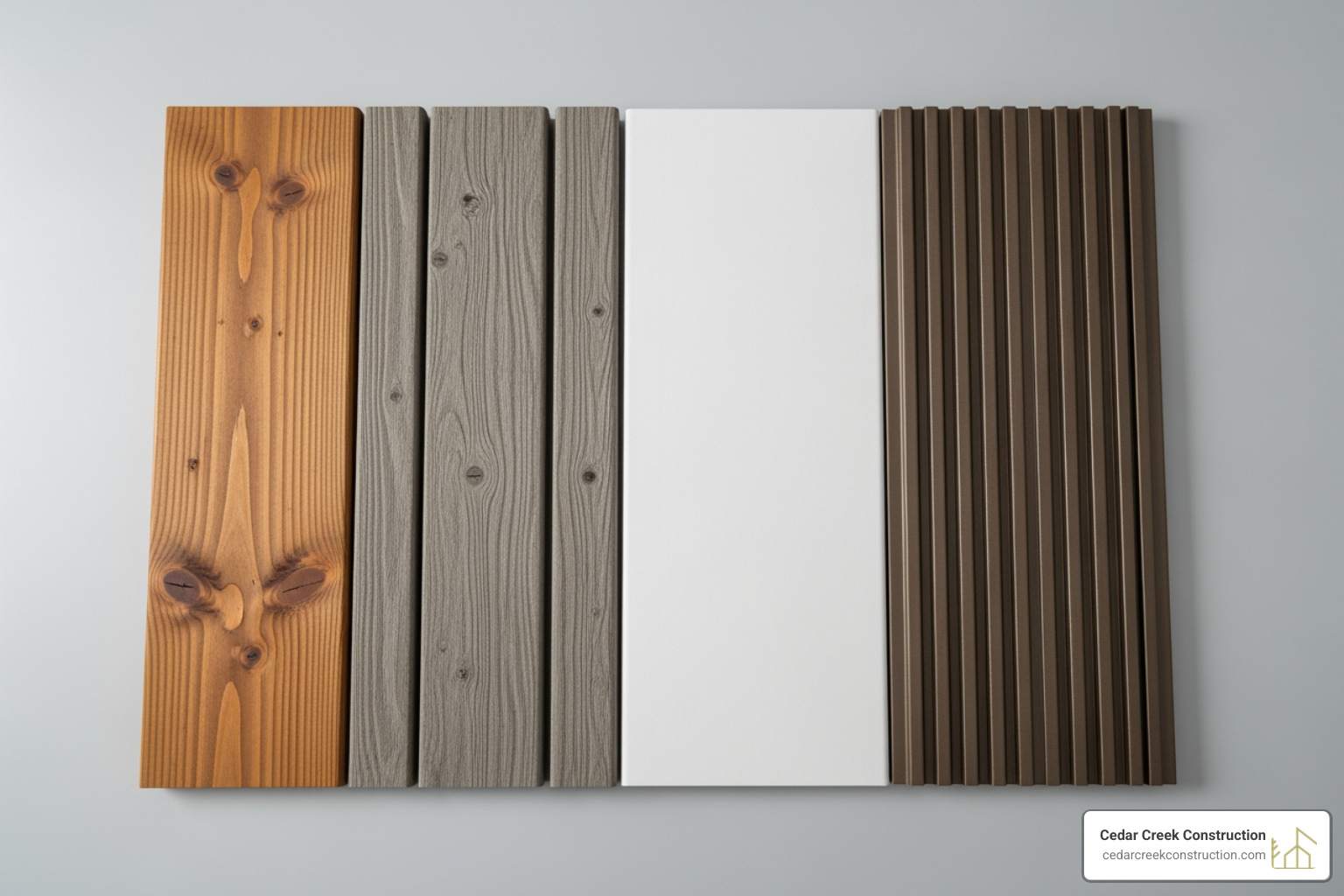
Decoding Decking: A Look at the Primary Material Types
When we talk about finding the best durable deck material, we’re really exploring a spectrum of options, each with its own personality. Let’s break down the primary types you’ll encounter on the market.
Traditional Wood Decking: Classic Beauty with a Catch
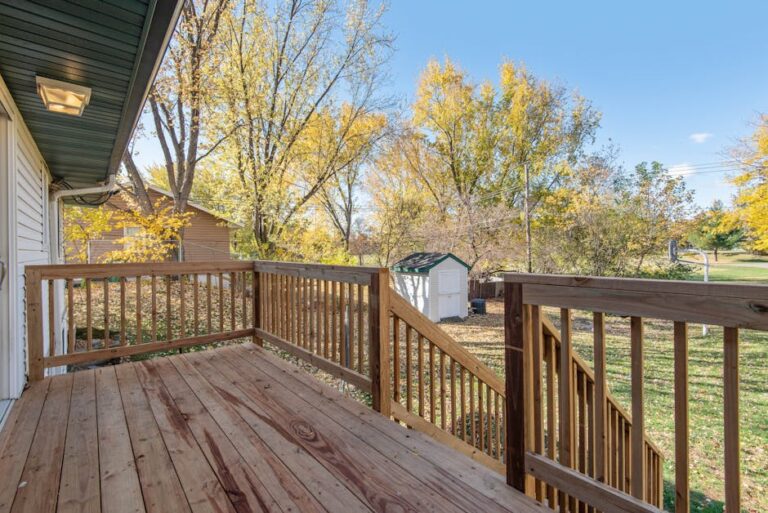
Wood has been the traditional go-to for decks, primarily because of its low initial cost and timeless natural aesthetic. However, this classic beauty comes with a significant commitment to upkeep.
- Pressure-Treated Lumber: This is the most popular decking material in the U.S., typically southern yellow pine chemically treated to resist rot and insects. Newer, arsenic-free treatments may fail in 10-15 years. While budget-friendly ($200-$1,100+ per 100 sq ft), it’s high-maintenance, requiring cleaning, staining, and sealing every 2-3 years to prevent warping and decay.
- Cedar & Redwood: These premium softwoods naturally resist moisture and weather, offering a beautiful, aromatic presence ideal for climates like the Lehigh Valley. However, they still require regular maintenance to prevent moisture damage and maintain their color.
- Tropical Hardwoods (Ipe, Cumaru, Tigerwood): For maximum natural durability, these are champions. Ipe (Brazilian Walnut) is incredibly dense and resistant to water and warping, lasting up to 75 years with proper care. Cumaru (Brazilian Teak) can last up to 50 years, and Tigerwood offers a 30+ year lifespan with a distinctive look. These hardwoods are expensive and require an annual UV oil application to retain their color; otherwise, they weather to a silver-gray.
The main downside for all wood decking is its tendency to change color, crack, and stain without regular refinishing. Boards may need frequent replacement, and they can foster mold and mildew.
Composite Decking: The Low-Maintenance Wood Alternative
Composite decking is a low-maintenance alternative to wood, blending wood fibers with plastic polymers to create a material that looks like wood but requires far less upkeep.
- Capped vs. Uncapped Boards: Modern high-quality composite is “capped” with a durable synthetic shell for superior protection against moisture, mold, fading, and stains. Older, uncapped boards are more susceptible to these issues.
- Recycled Materials: Many composite brands, like TimberTech, are made from up to 95% recycled materials, making them an eco-friendly choice.
- Pros: Composite’s main benefits are low maintenance (occasional cleaning, no staining) and high resistance to rot, splinters, and insects. It’s more durable than treated lumber, withstands extreme weather, and comes in many colors and textures. Warranties often cover 25 to 50 years for fading and stains.
- Cons: The upfront cost is higher than pressure-treated wood ($300-$700 per 100 sq ft). Boards can be sensitive to scratches and get hot in direct sun (especially darker colors). Some lower-priced options may look “plastic-y.”
For those seeking a balance of aesthetics and minimal upkeep, composite decking is a fantastic option. Learn more about its benefits here: What Makes Composite Decking Ideal for Your Home?
PVC (Vinyl) Decking: The Ultimate in Moisture Resistance
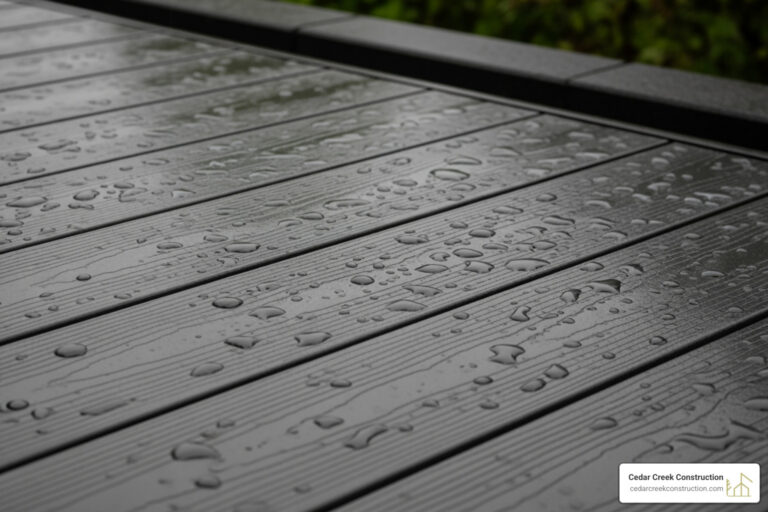
PVC decking is a fully synthetic option made entirely from polymers, with no wood or organic material. This makes it a top performer against moisture.
- 100% Synthetic Polymer: Because it contains no wood, PVC decking is impervious to moisture, rot, and insects.
- Pros: PVC is virtually maintenance-free. It’s completely waterproof and impervious to moisture, insects, and rot, ensuring superior longevity. It won’t peel, chip, or fade. High-quality PVC is also lightweight, slip-resistant, and can stay cooler in the sun. It’s often backed by 25 to 50-year warranties and is the best choice for mold and mildew resistance.
- Cons: PVC is typically the most expensive option ($525-$1,200 per 100 sq ft), though it can be comparable to premium hardwoods. Some find its aesthetic less natural than high-end composites. It can also react to extreme temperatures, potentially cracking in cold climates if not engineered for it.
Aluminum Decking: The Modern, Ultra-Durable Option
Aluminum decking is a modern, lightweight, and exceptionally durable metal option with a unique set of advantages.
- Lightweight Metal: Aluminum decking is incredibly durable, resistant to all weather, long-lasting, and low maintenance.
- Interlocking Systems: Many products feature interlocking sections, creating a watertight surface ideal for second-story decks to keep the area below dry.
- Pros: Aluminum is fireproof, rust-proof, and extremely strong. Its baked-on finish is long-lasting, and its textured surface provides slip-resistant traction. It holds its color better than unfinished wood.
- Cons: Aluminum is expensive (over $500 per 100 sq ft) and has a metallic look that won’t be mistaken for wood. It can dent and be noisy to walk on. The finish can also fade over time, sometimes leaving chalky streaks.
The Ultimate Showdown: Comparing the Best Durable Deck Material Options
Choosing the best durable deck material isn’t just about picking the toughest one; it’s about finding the one that best fits your lifestyle, budget, and desired level of commitment. Let’s put these materials head-to-head.
Lifespan & Longevity: How Many Years Will Your Deck Last?
A deck is a long-term investment. Here’s how different materials stack up in terms of lifespan and warranty coverage:
- Ipe Decking: The champion of longevity, Ipe can last up to an astonishing 75 years with proper maintenance.
- Cumaru Decking: A strong runner-up, Cumaru boasts an impressive lifespan of up to 50 years.
- Tigerwood Decking: This beautiful hardwood can last 30 years or more.
- PVC Decking: With its imperviousness to moisture and rot, PVC decking can easily last 50+ years, often backed by warranties up to 50 years or even limited lifetime coverage.
- Aluminum Decking: Engineered for extreme durability, aluminum decking can also last 50+ years, with its finish designed for long-term performance.
- High-End Composite Decking: Modern, capped composite boards are designed to last 25-30 years, and many manufacturers offer product warranties covering color and integrity for 25 to 50 years. We often see composite decks looking great well beyond their warranty period.
- Pressure-Treated Wood: The newer formulas, without arsenic, are starting to fail in as little as 10-15 years. This is a significant drop from the older, longer-lasting versions.
Here’s a quick comparison:
| Material Type | Typical Lifespan (Years) | Typical Warranty (Years) |
|---|---|---|
| Ipe (Tropical Hardwood) | 75+ | Varies by supplier |
| PVC (Vinyl) Decking | 50+ | 25-50, Limited Lifetime |
| Aluminum Decking | 50+ | Long-lasting finish |
| Cumaru (Tropical Hardwood) | 50+ | Varies by supplier |
| Composite Decking | 25-50 | 25-50 (fade/stain) |
| Tigerwood (Tropical Hardwood) | 30+ | Varies by supplier |
| Pressure-Treated Wood | 10-15 | Limited, often none |
Maintenance Demands: Trading Sweat for Savings
This is where the term “durable” really takes on its full meaning. A material might last a long time, but if it demands constant attention, is it truly durable in a practical sense?
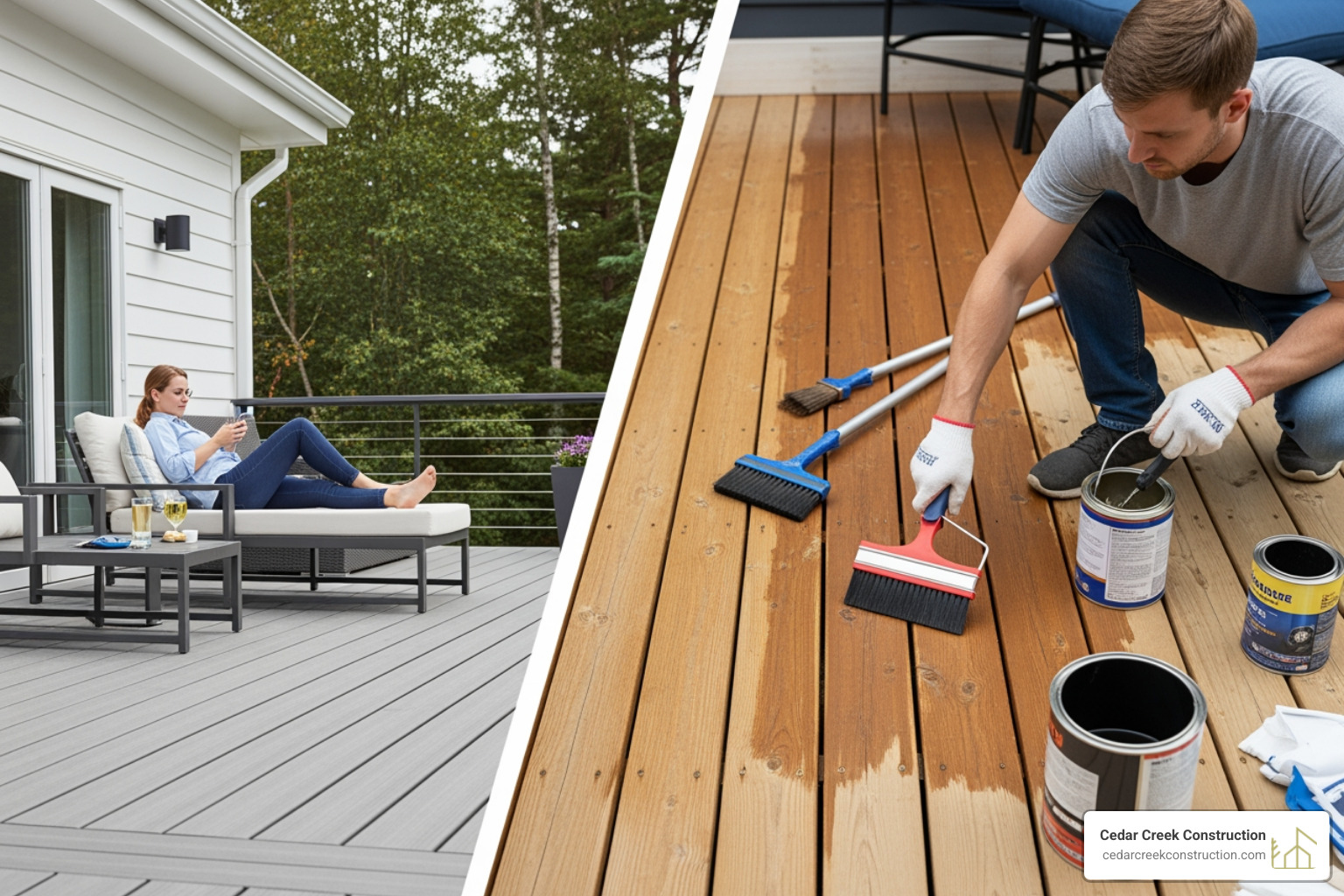
- Wood Decking: Wood is the highest maintenance choice, requiring staining and sealing every 2-3 years to maintain its look and integrity. It also needs regular cleaning to prevent mold and mildew. These recurring costs give pressure-treated wood, in particular, a low long-term value.
- Composite & PVC Decking: These materials are low-maintenance. Composite requires only occasional soap-and-water cleaning, while PVC needs very little upkeep, making it ideal for busy homeowners in places like Center Valley, PA. They won’t peel, chip, fade, or splinter, and never need painting or staining, which dramatically reduces the cost of ownership and saves money in the long run.
- Aluminum Decking: Like PVC, aluminum is incredibly low maintenance, usually requiring just a wash down to keep it clean.
When you weigh the pros and cons, the choice often comes down to how much “sweat equity” you’re willing to put into your deck each year. For a deeper dive into this comparison, check out our insights on Trex vs. Wood Decking: What’s the Best Choice for Pennsylvania Weather?
Cost Analysis: Upfront Investment vs. Lifetime Value
The initial price tag of a decking material can be deceiving. While wood decks can be the best decking material for some homeowners based on their price point, we encourage our clients to consider the lifetime value.
- Upfront Costs (per 100 square feet):
- Pressure-Treated Wood: About $200 to $1,100 or more.
- Composite Decking: About $300 to $700. Entry-level composite products like Veranda start around $1.50 per linear foot, while premium options like TimberTech can exceed $6 per linear foot.
- Plastic (PVC) Decking: About $525 to $1,200. Vinyl is often the most expensive material upfront, though some PVC products can be comparable to premium hardwoods.
- Aluminum Decking: More than $500.
- Long-Term Value Calculation: Pressure-treated wood is cheapest upfront, but its frequent maintenance and shorter lifespan lead to high costs over time, giving it the lowest long-term value. In contrast, composite and PVC decking offer substantial long-term savings. Their higher initial cost is offset by minimal maintenance expenses and longer lifespans, making them the most cost-effective options in the long run.
The market has also seen composite materials decreasing in price, narrowing the gap with higher-grade wood decking, making them an even more attractive long-term investment.
How to Choose the Best Material for Your New Deck and Climate
Choosing the best durable deck material for your home in the Lehigh Valley requires careful consideration of our local climate, your budget, and your personal style. It’s a decision that balances aesthetics with practicality, and we’re here to help you make the right one. For a general guide on this, see our article How to Choose the Best Material for Your New Deck.
Matching Materials to Your Lehigh Valley Climate
Our region experiences a variety of weather conditions, from humid summers to cold, snowy winters. Selecting a material that can stand up to these elements without excessive maintenance is key to long-term satisfaction.
- High Humidity and Rain: In our humid, rainy climate, PVC decking is the superior choice for its moisture resistance, which prevents rot and mold. Capped composite is also a good option. Pressure-treated wood is usable but requires frequent maintenance to prevent water damage.
- Extreme Sun and UV Exposure: For decks in full sun, capped composite and PVC decking are excellent. They are designed to resist fading. While UV finishes can protect wood, they require regular reapplication. Aluminum decking can fade over time, leaving chalky streaks.
- Cold Weather and Freeze-Thaw Cycles: In cold climates like ours in Emmaus, PA, composite decking is a top choice as it’s designed to handle fluctuating temperatures without cracking. High-quality PVC is also an excellent option due to its moisture resistance, crucial for freeze-thaw cycles. While premium softwoods like cedar perform well, they need maintenance to prevent moisture damage. Be aware that some lower-quality vinyl/PVC products may become brittle and crack in extreme cold.
- Heavy Foot Traffic: If your deck will be a high-traffic zone, composite and PVC decking are ideal as they are designed to withstand significant wear and tear. Premium hardwoods like Ipe are also resilient but require regular, costly maintenance.
- Near Water or Pools: For decks near pools or other water features in Allentown, PA, PVC decking is the superior choice. Its high resistance to moisture, salt, and UV radiation makes it virtually impervious to water damage. Capped composite decking is also a good option for these environments.
Finding the best durable deck material for your budget and style
Your personal preferences and practical considerations are just as important as climate when choosing the best durable deck material.
- Budget Constraints: While initial cost is a factor, remember to consider the lifetime cost. Pressure-treated wood is cheapest upfront, but its extensive maintenance makes it more expensive over time. Composite materials have become more competitive in price, offering a sweet spot for long-term value.
- Desire for Low Maintenance: If you prefer enjoying your deck rather than working on it, low-maintenance composite or PVC decking is likely your best durable deck material option. They offer a “set it and forget it” approach to color and care.
- Aesthetic Preference: If you crave the authentic look of natural wood, tropical hardwoods like Ipe might be worth the investment. For the wood look without the upkeep, modern composite offers realistic grain patterns and colors. For a sleek, modern aesthetic, aluminum could be a fit. Modified wood, like Kebony, might be the best low-maintenance option for those who love the classic look of real wood.
- Environmental Considerations: Many composite options are made from recycled materials. TimberTech Advanced PVC decking, for example, is made with up to 60% recycled materials. Aluminum is also eco-friendly due to its recyclability, as is Kebony wood.
For more information on composite decking options and how they might fit your needs, explore More on composite decking options.
Don’t Forget the Foundation: The Importance of Durable Deck Framing
Homeowners often focus on decking boards and overlook the frame. A durable deck requires a durable foundation; a mismatch in lifespan between the two can lead to costly future repairs.
Imagine this scenario: you’ve invested in beautiful Ipe decking that could last 75 years, but it’s sitting on a pressure-treated wood frame that starts to rot in 10-15 years. We’ve had calls from homeowners in Macungie, PA, whose Ipe decking still looks brand new after 15-20 years, but their pressure-treated frame is completely rotted and needs to be rebuilt. This is a classic case of mismatched durability, where the labor costs of rebuilding the frame negate the longevity of the decking.
- Pressure-Treated Frame Lifespan: Newer pressure-treated lumber formulas are designed to last only 10-15 years before showing significant signs of failure.
- Joist Tape for Rot Prevention: A simple, effective way to extend a wood frame’s life is with joist and ledger tape. This protective barrier seals the tops of joists, preventing moisture from getting trapped and causing rot.
- Steel Deck Framing: For ultimate durability, we recommend steel deck framing. With a 25-year warranty and a potential 50+ year lifespan, it perfectly matches the longevity of high-end decking like composite, PVC, or aluminum, ensuring your entire deck system is built to last. You can explore options for Steel Deck Framing to ensure your foundation is as strong as your surface.
Frequently Asked Questions about Durable Decking
We get a lot of questions from homeowners in Lehigh Valley, PA, about how to achieve a long-lasting, beautiful deck. Here are some of the most common ones regarding the best durable deck material.
What is the absolute most durable and long-lasting deck material?
For natural materials, exotic hardwoods like Ipe are the most durable, lasting up to 75 years with proper maintenance. For synthetics, high-end PVC and aluminum are top contenders, both capable of lasting 50+ years with almost no upkeep. The “best” choice depends on your priorities: Ipe offers natural beauty for those willing to do annual maintenance, while PVC or aluminum provide maximum longevity with minimal effort.
What’s the key difference between composite and PVC decking?
The key difference is their composition.
- Composite decking is a blend of wood fibers and plastic polymers. It’s “low-maintenance,” resisting rot and splinters much better than wood. However, because it contains organic material, lower-quality or uncapped composites can still be susceptible to moisture-related issues like mold.
- PVC decking is 100% plastic (polyvinyl chloride) and contains no organic material. This makes it virtually “no-maintenance” and gives it superior resistance to moisture, mold, and stains. It’s completely water-resistant, making it an excellent choice for waterfront properties in Easton, PA.
Which is the best durable deck material for full sun?
For decks in full sun, capped composite and PVC decking are the best choices. They are engineered with advanced UV inhibitors to resist fading and maintain their color. Many leading manufacturers, including TimberTech, offer extensive fade and stain warranties for their capped composite and PVC products, often ranging from 25 to 50 years of coverage.
Build a Deck That Lasts a Lifetime
Choosing the best durable deck material is a critical decision for your outdoor living space. True durability is a complete system, considering the decking, frame, your Lehigh Valley climate, and your maintenance commitment.
The right choice balances your specific needs for longevity, aesthetics, and maintenance with your budget. Whether you opt for the natural grandeur of tropical hardwood, the low-maintenance appeal of composite, the virtually worry-free performance of PVC, or the modern strength of aluminum, each material offers unique advantages.
At Cedar Creek Construction, we pride ourselves on being your local experts in Center Valley, PA. We understand the nuances of our regional weather and how different materials perform here. We’re dedicated to helping homeowners like you choose the right materials for a lasting investment, ensuring your deck stands the test of time and provides years of enjoyment.
Ready to build a beautiful, durable deck that stands the test of time? Contact us for a consultation on your new deck project. We’re here to help you fade-proof your fun!
One Response